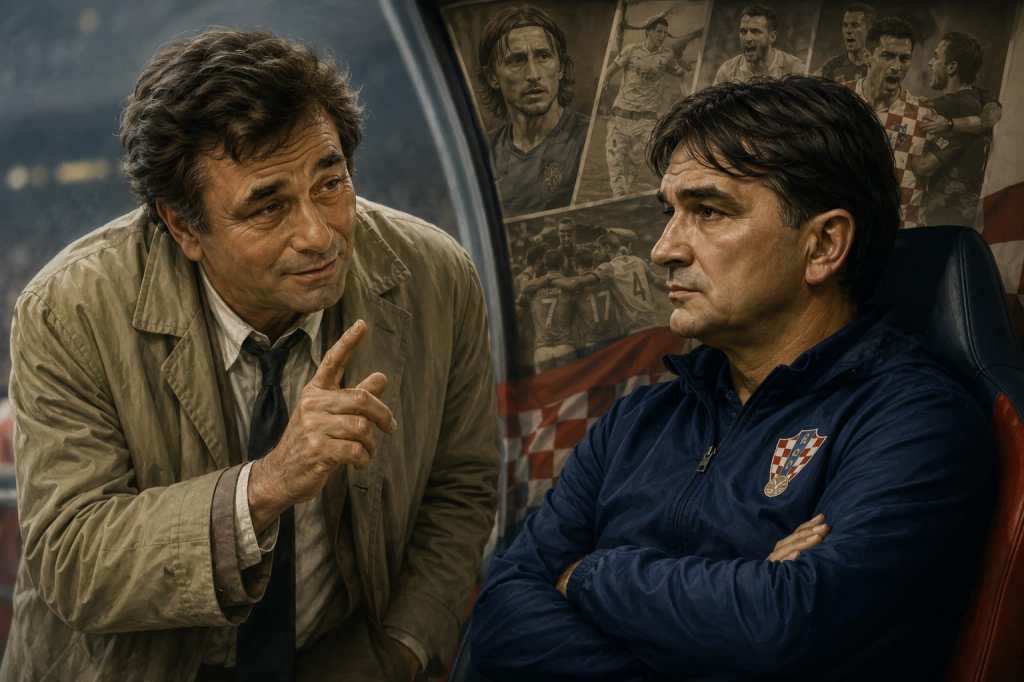
Standing beside Luka Modrić for nearly a decade required far more than coaching ability. For almost ten years, Zlatko Dalić successfully navigated the complexities of team dynamics while balancing Luka’s expectations regarding the composition of his coaching staff. Managing any iconic figure presents unique challenges, and as the saying goes, behind every great man stands someone who provides unwavering support. In Luka’s case, that person was not only a coach but also a trusted friend.
Dalić’s greatest strength as manager of the Croatian national team was his ability to keep his captain comfortable and confident throughout an extraordinary era. To achieve this, he surrounded himself with Luka’s closest football companions, including Vedran Ćorluka and Danijel Subašić, whose relationships with Modrić extended back to their playing careers. However, this approach came at a cost. It meant passing over more experienced coaches who might have contributed greater tactical expertise.
While Ćorluka and Subašić are respected former internationals who understand the dressing room and team culture, they remain relatively inexperienced as coaches. Their limitations appeared most evident when Croatia struggled to adjust tactically during matches, raising questions about the staff’s ability to respond effectively when games demanded change.
Despite those shortcomings, Dalić’s strategy ultimately proved successful. By surrounding himself with trusted former players, he maintained harmony within the squad, preserved the team’s hierarchy, and retained the confidence of its most influential player. Stability became one of Croatia’s greatest strengths during his tenure.
Dalić’s inner circle also included longtime associates Dražen Ladić and Marijan Mrmić, as well as the promising Ivica Olić, whom he recognized as a coach with significant potential.
Now that Modrić has decided to retire from international football, Dalić finds himself at a natural crossroads. The wisest leaders understand that timing is often everything. Knowing when to step aside is as important as knowing when to take charge. This may be the right moment for a new generation of leadership to begin building the team’s next chapter as Croatia enters a period of transition.
Dalić himself succeeded Ante Čačić as national team manager, a move widely associated with the influence of Zdravko Mamić. Yet the foundations of Croatia’s golden generation were laid much earlier by Slaven Bilić. Bilić revitalized the national team during a difficult period, promoted Luka Modrić and his generation from the Under-21 squad he had coached, and integrated players such as Ivan Rakitić, Mario Mandžukić, and Ivan Perišić—players who would become central to Croatia’s greatest achievements.
Zlatko, you have done an exceptional job by understanding Luka Modrić’s needs, carefully shaping the team’s internal dynamics around its leader, and helping transform an extraordinary generation into one that delivered historic success. The medals may not have been gold, but the silver and bronze earned under your leadership secured Croatia’s place among football’s elite. Maximizing the potential of the resources at your disposal is a rare ability, and throughout your tenure you demonstrated it with consistency and composure.
As this era comes to an end, however, the national team will benefit from fresh leadership capable of rebuilding from the ground up. In my view, Slaven Bilić is the ideal person to lead that new chapter.
Zlatko, thank you for everything you have given Croatian football.
And just one more thing: please take Ivica with you.