This analysis focuses on the part of the match when both teams played 11 versus 11. After the red cards, the game’s tactical significance diminished.
Mexico – South Africa Tactical Analysis
On the first day of the World Cup, the opening match took place 2,200 meters above sea level at the Aztec Stadium in Mexico City.
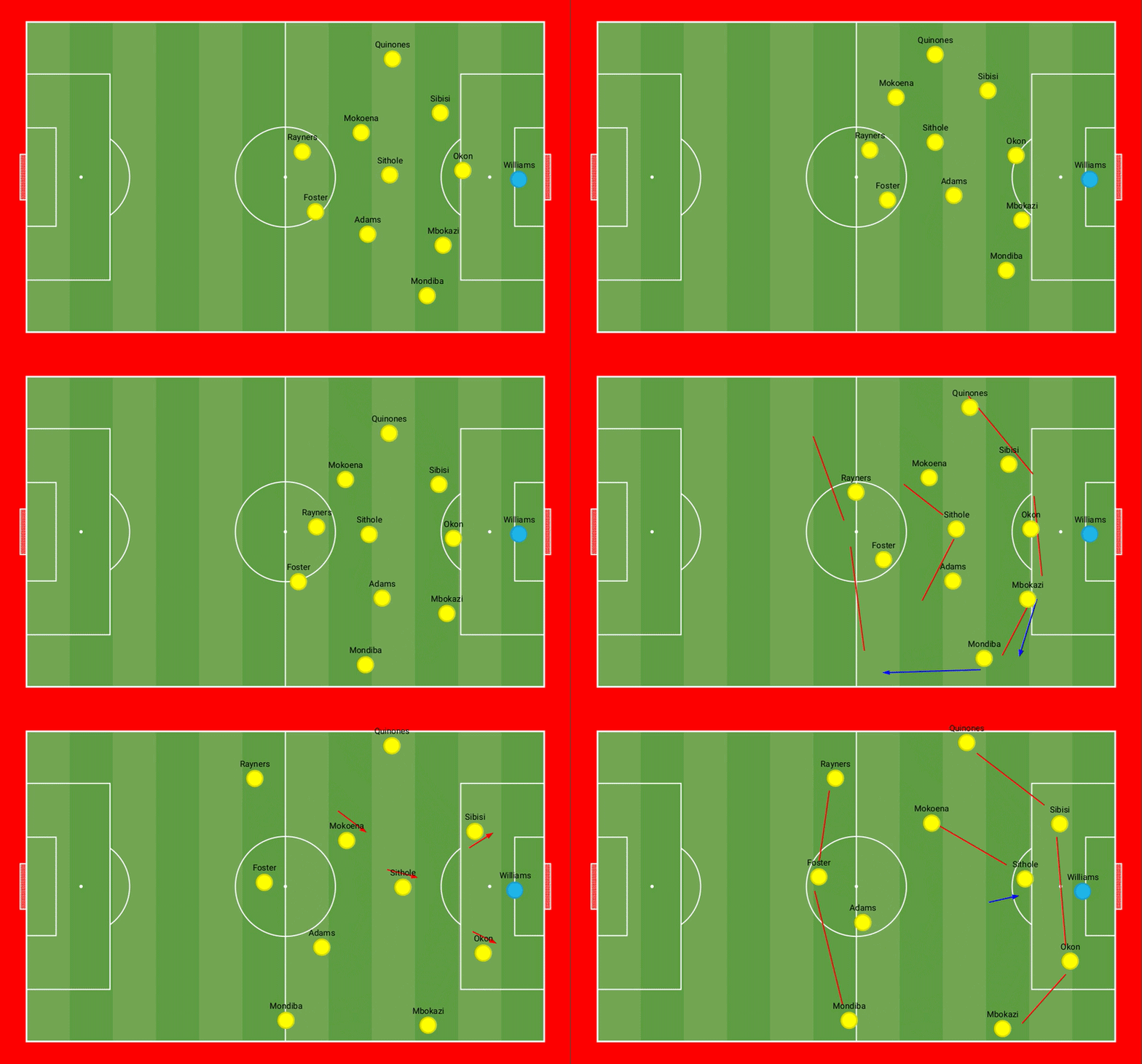
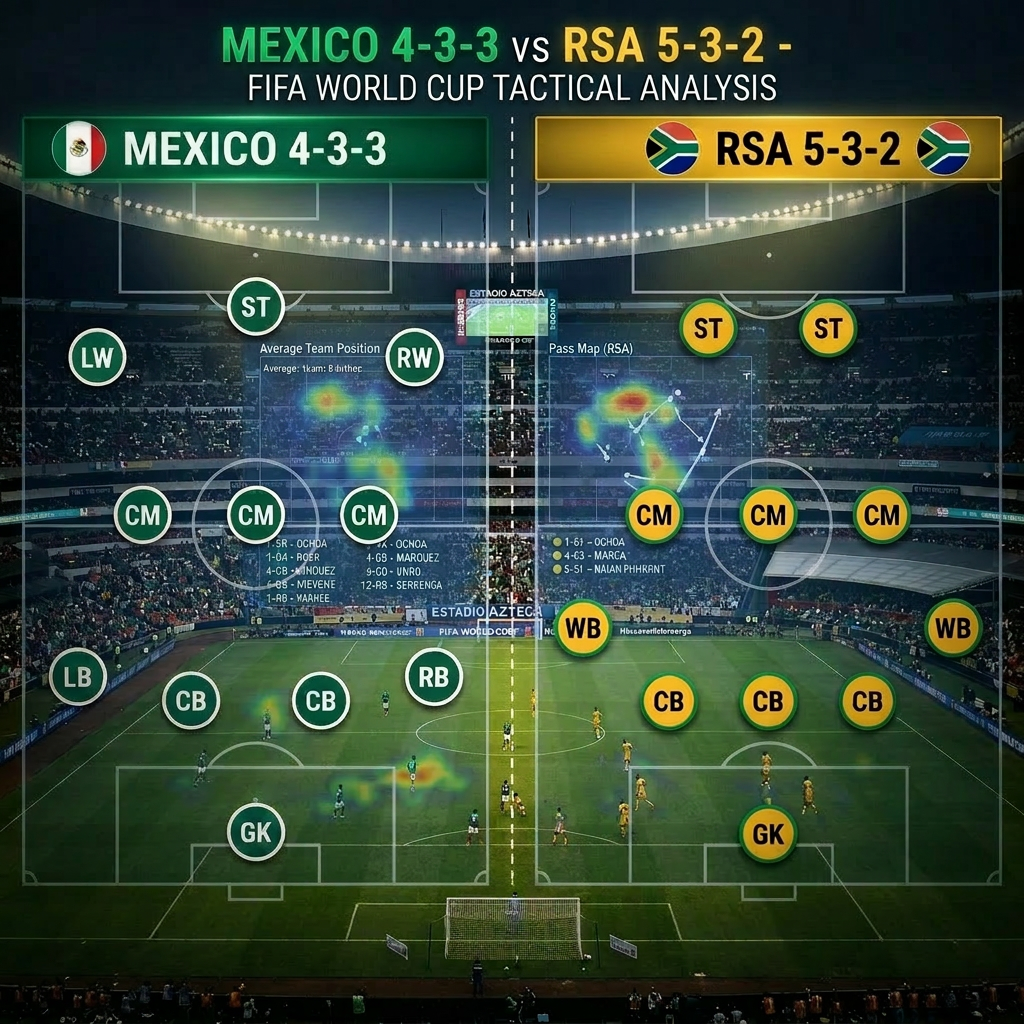
Both coaches are known for their defensive solidity, but they surprised many with their offensive adaptations, particularly Hugo Broos. He implemented a defensive system (5-3-2) along with offensive and buildup adaptations (4-3-3). However, his brave buildup play did not yield good results; the team made several mistakes during buildup phases that led to conceded goals. In contrast, Javier Aguirre’s approach was more predictable, both in terms of system and match dynamics.
Mexico
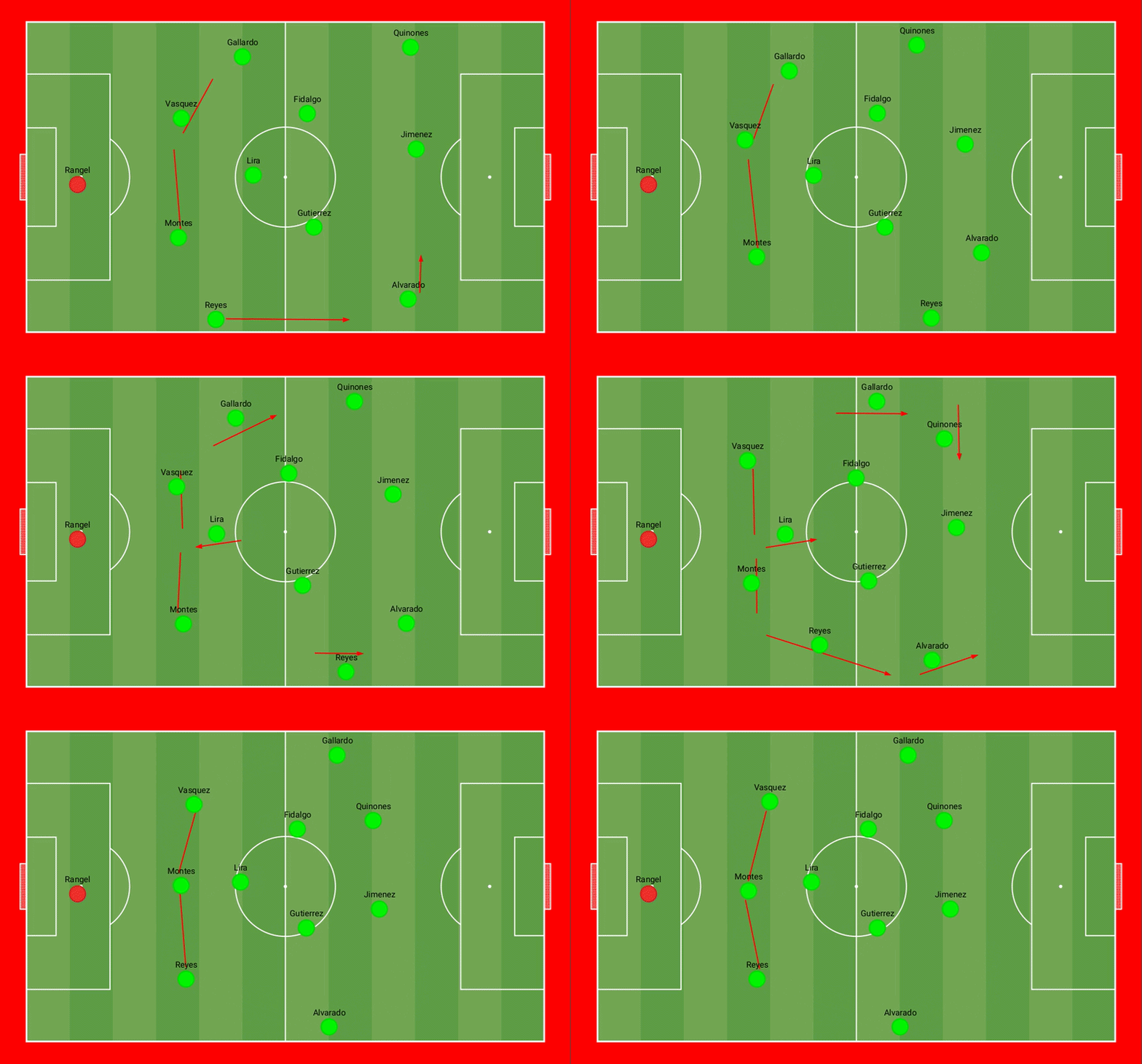
- Mexico built their play using a three-man backline:
- One fullback (primarily Reyes) remained narrow and deep, while the opposite fullback (mostly Gallardo) advanced high up the pitch. The opposite winger (mostly Quiñones) tended to move inside.
- Lira occasionally dropped deep between the center-backs (Lavolpiana).
- The fullbacks pushed forward, delivering both high and low crosses.
- Mexico employed man-marking during the opponent’s buildup and transitioned quickly after regaining possession.
Republic of South Africa
- South Africa defended with a 5-3-2 formation, maintaining a mid to lower defensive block.
- Their buildup formation shifted to a 4-3-3, with the left fullback (Mondiba) advancing up the pitch and functioning as a winger.