
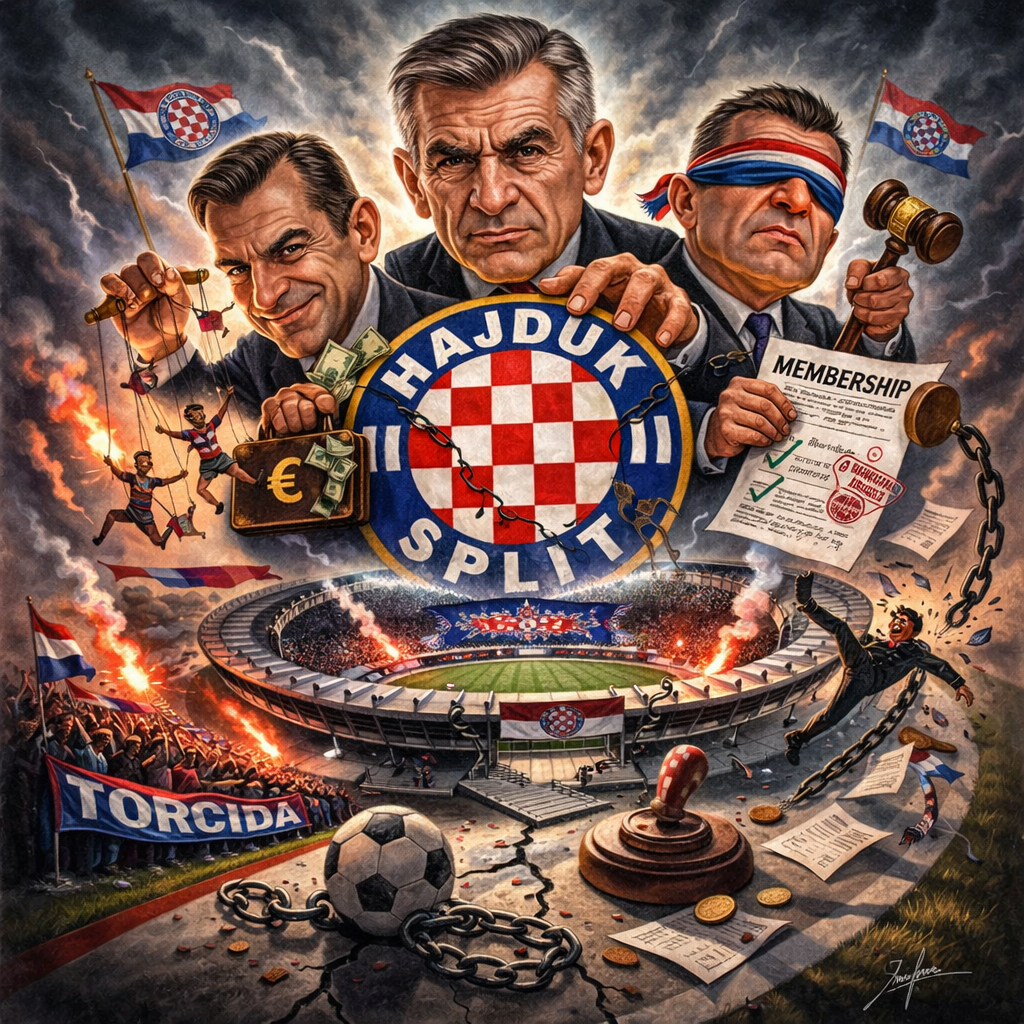
The belief that anyone can call themselves a Hajduk fan simply by paying a membership fee is utterly mistaken; true fandom demands unwavering commitment.
Supporting Hajduk is a profound dedication to the essence of football. Only those with genuine insight and a passionate commitment to the club’s future can make a meaningful impact. In the past, getting a ticket to a Hajduk match meant enduring long lines in any weather—this was the hallmark of real passion. Today, however, fandom has been diluted, succumbing to a bland trend and a rigid ideology that forces a singular expression of loyalty to Hajduk. This pressure for conformity stifles individuality and critical thought, fostering a “small club” mentality that threatens Hajduk’s esteemed legacy.
The current leadership situation is alarming. The club has marginalized crucial voices that are essential for running a successful sporting organization. Management has turned into an echo chamber for a select few, imposing misguided beliefs from the shadows. They wrongly equate the club’s greatness with loyalty to these flawed principles, which are completely disconnected from real sports values. We see a glaring absence of individuals with genuine sporting projects, while those with innovative ideas are frequently overlooked in favor of those who manipulate perceptions with flashy slogans or align themselves with the loudest factions. This is not sport; it’s an ideology masquerading as democracy.
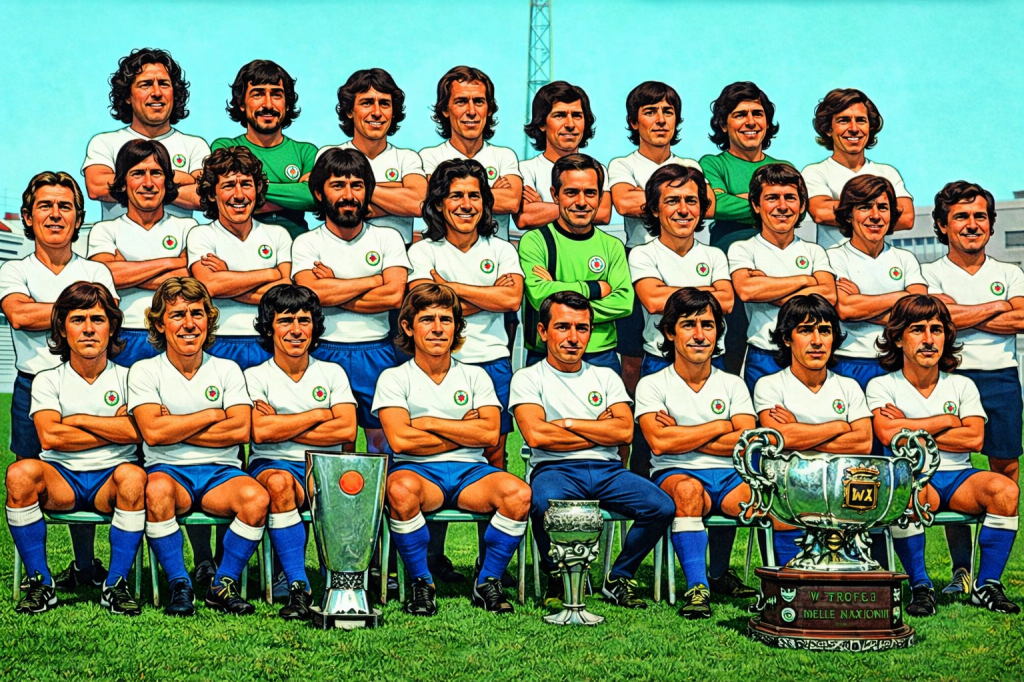
Democracy is crucial, but it cannot thrive when reduced to mere membership fees and blind allegiance to empty principles and economic models focused solely on cost-benefit analyses. Hajduk’s management model utterly fails to prioritize meritocracy and meaningful dialogue, resulting in a pretense of democracy where the loudest voices drown out thoughtful discourse. This homogenized environment pushes aside anyone courageous enough to think differently.
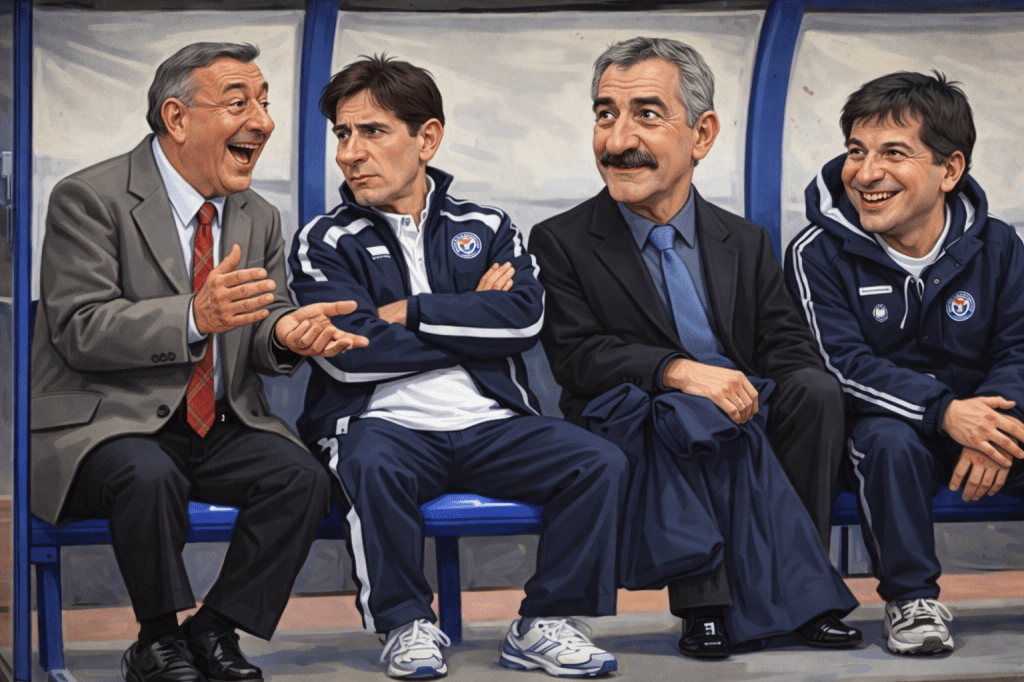
Once celebrated for its legacy of independent thinkers, the club now operates from a victim mentality. What is falsely called unity has devolved into a troubling form of idiocracy.

While a fanbase of 20,000 per game might seem impressive, we must remember that Hajduk is fundamentally a football club, and it must prioritize football above all else. The club can survive without a massive crowd, especially if those present hinder its development. However, it can never exist without the essence of football. All great football clubs are, and always will be, products of visionary sports thinkers. Not business masterminds, not fan masterminds, but those who focus on enhancing football as a game and developing strong-minded young talents. It is not about having 20,000 fans or more; it has always been about the sport.
If Hajduk fails to recalibrate its course, the true greatness of sport will remain lost to the past!
 Diamond Football Tactics