
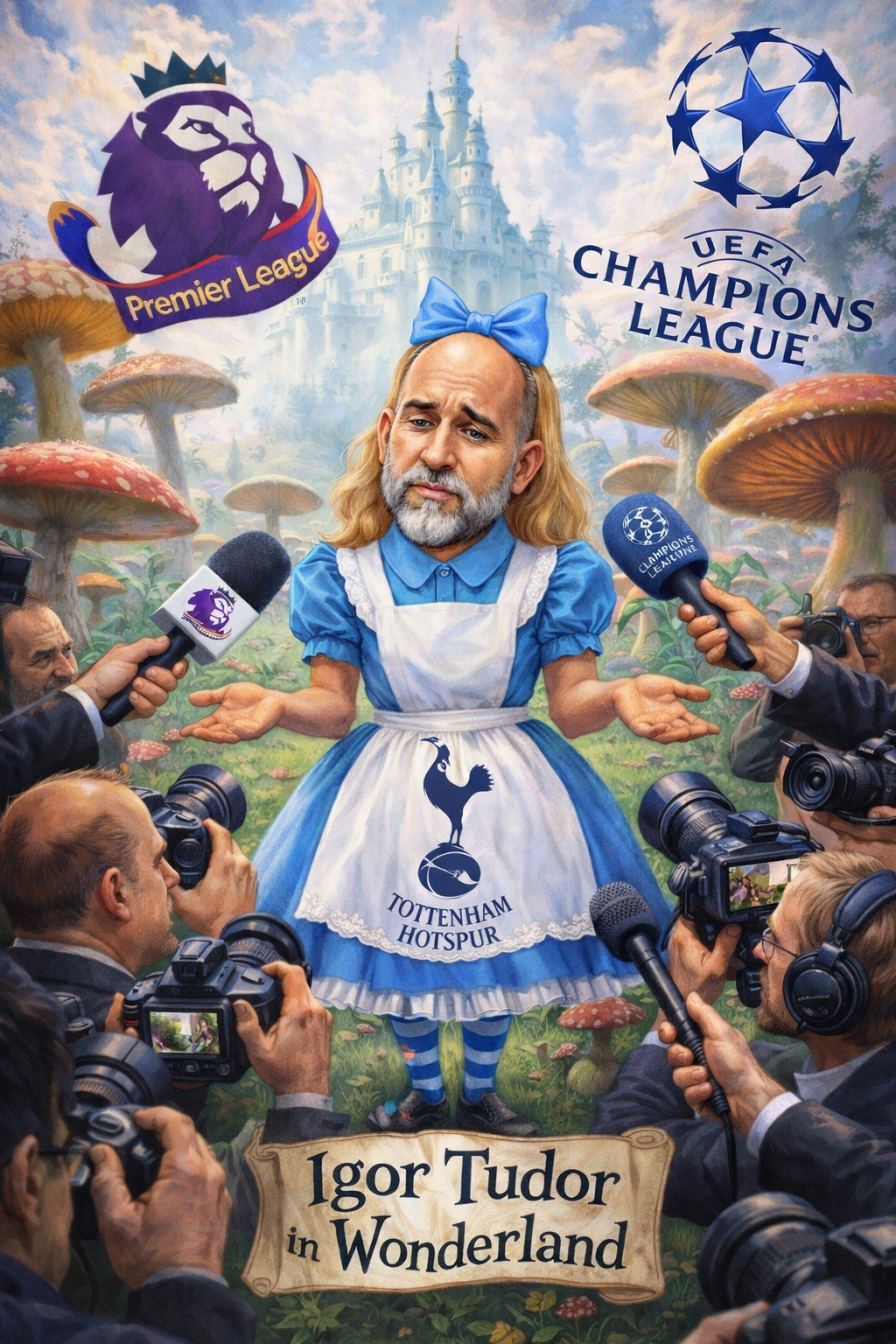
Igor Tudor seems to be facing some significant challenges in his role as manager of Tottenham Hotspur, and it’s completely understandable that his initial belief in the power of tactics and discipline might not resonate as he hoped with his players. In the dynamic world of English football, effective leadership goes beyond authority; it involves a deep understanding, empathy, and a genuine connection with the team. While Tudor has enjoyed success in the past, we must acknowledge that the landscape of modern football is shifting. Players today are increasingly empowered and looking for meaningful engagement in their game. It’s a tough transition, and it requires a nuanced approach that fosters collaboration and trust.
It’s easy to see why Tudor might lean on methods that proved effective in Croatia and Italy. Yet, the footballing world has shifted, and players today are more aware of their rights and well-being. His remark, “I didn’t come to England to enjoy; I came to work,” reflects a dedicated mindset oriented towards hard work, but it may also suggest a need for a greater focus on collaboration and motivation.
His tenure at Tottenham has encountered several significant challenges:
- Man Management Challenges: Tudor’s authoritarian style may have unintentionally led to some players feeling demotivated, which could foster resistance rather than cooperation. Building rapport is vital in any team setting, and it’s possible that his approach hasn’t fully nurtured the necessary connections. A greater emphasis on encouragement might empower players, helping to boost their confidence and self-expression on the field.
- Difficulty in Handling Situations: It seems Tudor may not have been completely prepared for the intricacies of the club’s challenges. While it’s common for many new leaders to face such struggles, it’s crucial to recognize that stepping into a position without a clear plan can lead to unnecessary difficulties. His genuine desire to succeed is commendable, but exploring different approaches could enhance his ability to connect with the team and adapt to the unique demands of the Premier League.
- Navigating Media Relations: Engaging with the media can be particularly daunting, especially in England, where emotional maturity and sophistication are key. Tudor might still be finding his footing in effective communication with the press, which can be a tough learning curve. Understanding how to connect with journalists could alleviate some pressure and improve the overall narrative surrounding his time at the club.
- Tactical Adaptation Issues: It appears Tudor anticipated that players would seamlessly adapt to his football philosophy. However, simplifying strategies could have made the transition smoother and allowed players to feel more at ease. Adjusting to a new system—especially when it involves unfamiliar positions—can be a challenging experience, and it’s understandable that this might have led to some confusion and frustration within the team.
The anticipated loss to Liverpool may serve as a pivotal moment for both Tudor and Tottenham. It might be advantageous for them to consider ending their partnership, enabling each to seek new opportunities that better align with their goals. Sometimes, despite the efforts and intentions involved, certain combinations simply aren’t the right fit.
 Diamond Football Tactics