

Sunday night in Paris, France dominated every aspect of the game, while Croatia played defensively and ultimately struggled. Didier Deschamps made significant changes to the starting lineup, even altering the formation. With two forward players (Mbappé and Olise), two wide wingers (Dembélé and Barcola), and two holding midfielders (Tchouaméni and Kone), France took control of the match. They maintained almost 70% possession and expertly exploited the spaces between the Croatian lines, especially through Olise. Barcola, positioned on the left wing, was in excellent form, frequently dribbling past Stanišić.
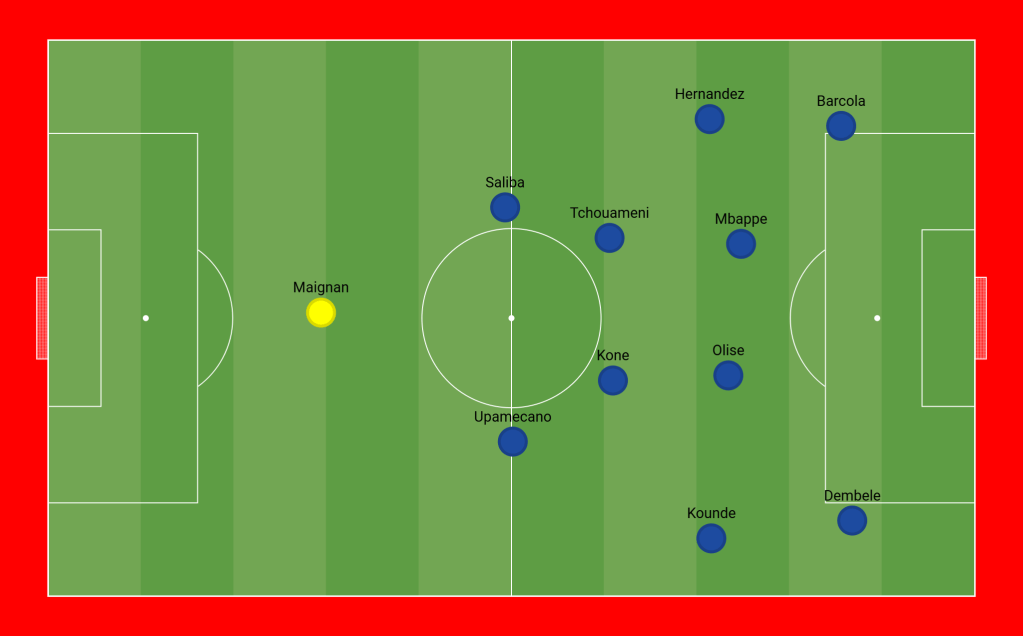
Dalić opted for a 4-4-1-1 formation, focusing on parking the bus in front of their goal. Modrić, Kovačić, and Sučić worked hard to defend the area in front of the box, but they made numerous passing mistakes when in possession, likely due to France’s intense pressing. Livaković had another great night, making it difficult for the French players to score. However, after 27 shots, conceding only two goals was a minimum requirement.
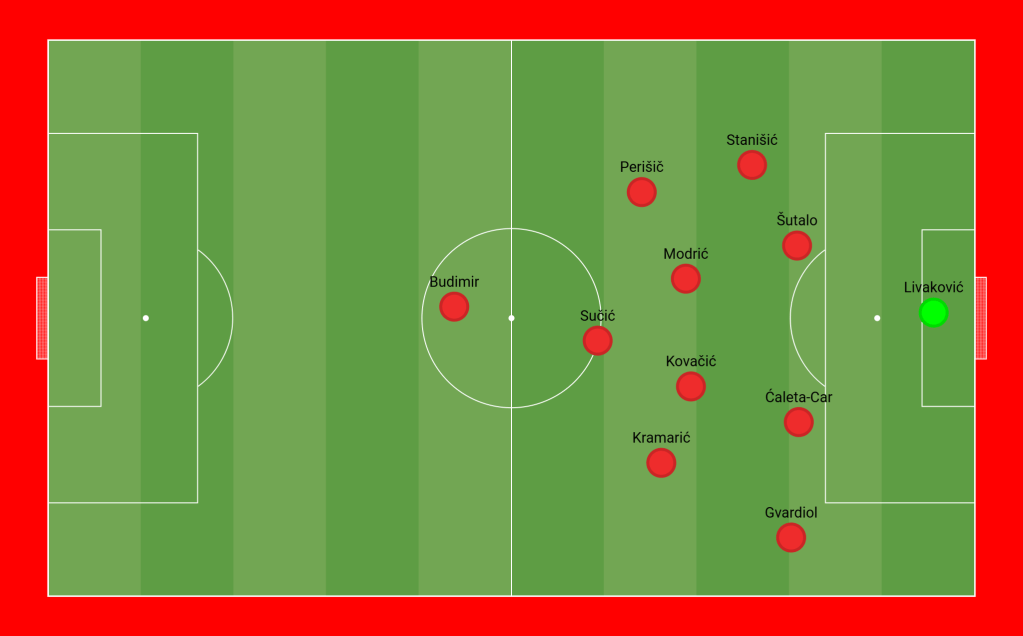
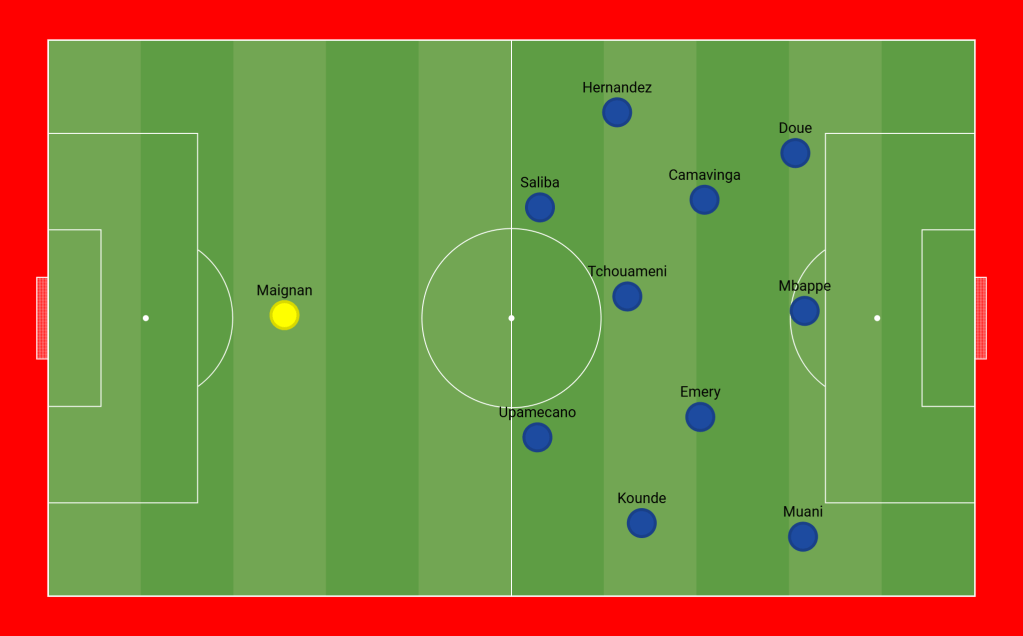
In the second half, it became clear that Modrić and Kovačić were losing energy, so Dalić substituted them later in the half. Unfortunately, Moro and Jakić do not possess the same level of quality. Deschamps switched to a 4-1-2-3 formation, introducing Doue and Mouani upfront, with Camavinga and Emery in midfield.
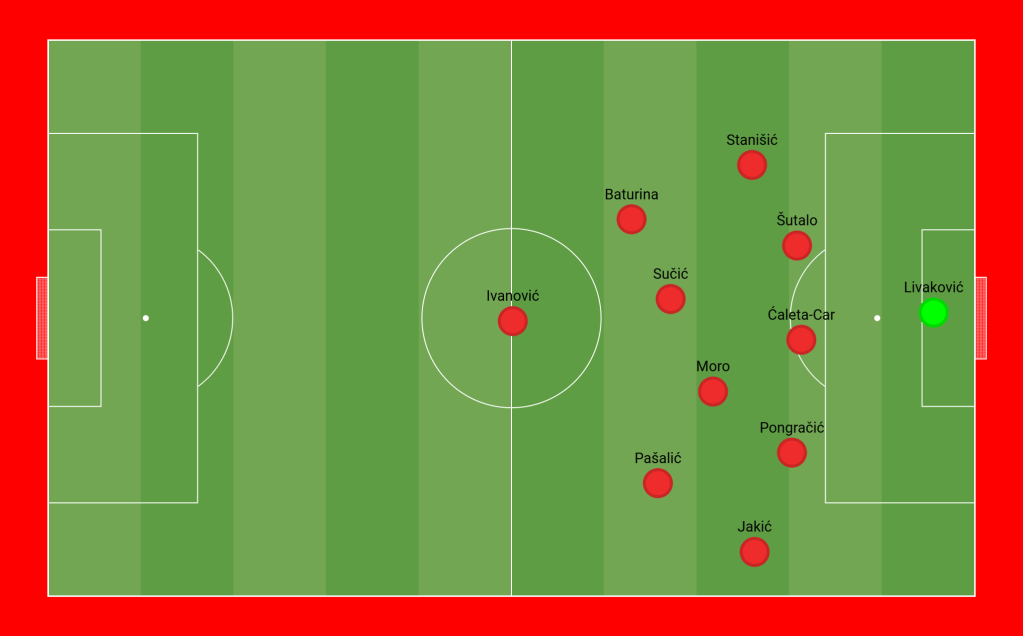
Dalić also altered his formation to a 5-4-1, bringing in Pongrančić as a third central defender, Jakić as a wing-back, and Pašalić and Baturina on the wings, with Moro and Sučić in midfield and Ivanović as the central forward.
Ultimately, the penalty shootout ended in favor of France. It should be noted that Dalić’s team put forth a strong effort and tried to advance through the only means available: a compact defense. In the end, despite Croatia’s resilience, the fatigue of key players who are aging (like Modrić and Perišić), their inability to recover quickly between games, and a lack of depth in the roster contributed to the objective outcome of the match.
 Diamond Football Tactics