

The role of journalism, especially in former Yugoslavia and contemporary Croatia, is complex. It was once controlled to unify public opinion but has since evolved. However, modern Croatian sports journalism faces ethical challenges, including biased reporting and personal attacks on coaches. This behaviour reflects a troubling legacy from the past.
JOURNALISM AS A VOCATION
If you want to be a good and objective journalist, journalism is a very delicate and responsible job, but there should never be a “right way” of doing that job. Good journalists should try to stick to the objective facts, thinking about the consequences of their articles, always writing in good faith.
Good sports journalists are sometimes unfairly critisized by the sports public. It’s crucial that good journalism isn’t influenced by the likability of any specific political, public, or subgroup, especially if it means sacrificing objectivity and integrity. A responsible journalist should also avoid contributing to problems for the sake of being right. Additionally, a good sports journalist should consider the potential harm that their statements or articles could cause to athletes.
Moral principles such as deontology, utilitarianism, and virtue ethics can be applied in sports journalism just as they are in everyday life.
When individual journalists or journalist groups seek to cause harm or misuse journalism for destructive purposes in order to gain power, financial benefits, or other advantages for themselves, it’s important for their peers to hold them accountable.
YUGOSLAV JOURNALISM
In former Yugoslavia, journalism was part of the regime, maintaining order and faith in the system, and journalists’ freedom of speech was limited because Josip Broz Tito wanted Yugoslav media to have unity in addressing important subjects, and Tito was a god-like figure. Media control was less apparent after the 1960s and 1970s, especially after Aleksandar Ranković’s influence waned and Tito decided to decentralize the country. Nonetheless, there was a “right way” of doing things as journalists in former Yugoslavia, and many journalists sought to align themselves with mainstream politicians because it granted them power and influence. Those who did not adhere to the mainstream journalist spirit were persona non grata and faced difficulties, not necessarily as a result of direct orders, but more due to the prevailing “right way” of thinking.
After the 1970s and the Croatian Spring, there was a new wave of journalists, who could be referred to as reactive journalists. While they were able to speak their minds (even though many faced sanctions for it), they were not always objective. They were reactive and also adhered to the “right way” of writing articles, this time in an anti-regime fashion. Therefore, objectivity was not the goal; the primary aim was to instrumentalize journalism for other “greater” goals.
There were public figures in line with the regime, so there was a need for unity in shaping public opinion about those individuals, as well as unity in shaping public opinion about regime personas non grata. Yugoslav journalism was instrumentalized in this manner as well.
Another method employed was preparing the public for eliminating unsuitable personnel from public life by defamation and direct accusations, often disregarding truth and objectivity. Many journalists did not question their own methods, as this was considered the “right way” and was deeply ingrained in their upbringing. It was challenging to recognize the immorality in this way of thinking and writing. After a while, this became the mentality of journalists in Yugoslavia – to adhere to the “right way” of thinking.
If you were a journalist schooled in former Yugoslavia, you were raised with the spirit of the “right way” of doing things and indoctrinated with this way of thinking. Breaking this mindset and mentality was very tough even if you had your own thoughts. It wasn’t about objectivity; it was mostly a reaction to societal oppression. It was truly difficult to be raised as an objective journalist if you came from such a system; it was much easier to conform. Objectivism was not expected from you, and it’s challenging to embrace something you’ve never experienced.
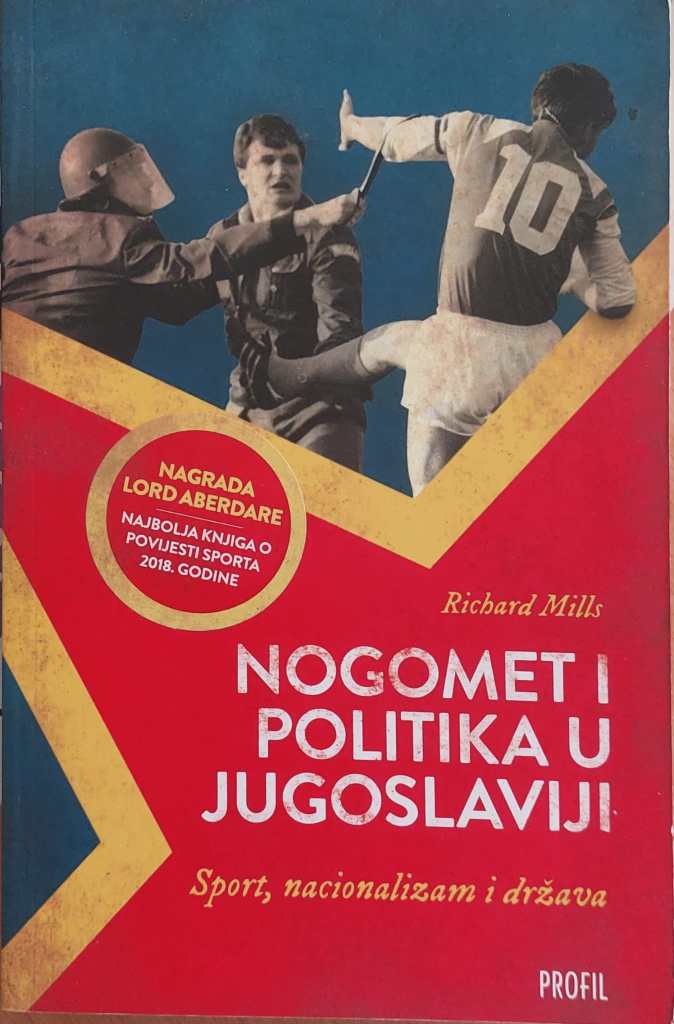
From the very beginning, politics were intertwined with sports, and sports journalism was an important part of this story, pretty much in a similar manner as journalism interfered in other aspects of Yugoslav life. Yugoslav team sports were of great interest to the average Yugoslav citizen and, as such, were the object of enormous journalistic focus.

It needs to be said that Yugoslavia produced some excellent TV sports journalists, very talented and professional-minded, so the picture wasn’t all black.
CROATIAN JOURNALISM
After Yugoslavia dissolved, there were three professions that were particularly under pressure. People working in these three fields were key in keeping the lie of Yugoslav self-governing communism alive and now needed to change their way of thinking because a new, different country needed to be built.
Those professions were in:
(1) Yugoslav National Army (JNA)
(2) Movie industry
(3) Yugoslav journalism
After Yugoslavia broke into pieces, personnel working in these professions needed to find their purpose and place in the new Croatian society.
The Croatian movie industry collapsed after the war, the Croatian army switched to western doctrines, but journalism, what happened with that wonderful profession of journalism?
Journalists also needed to sell their product and find their purpose in the “new system,” especially in shaping the media public space, which was expected to change directions. But how to switch the mentality of writing after writing for 10-20-30 years in a communist mentality as part of the regime?
First of all, lustration didn’t happen in the political or any other profession field, so as expected, although the country changed its name and laws, people in positions of power and their mentality stayed the same (more or less), and consequently, the whole national mentality stayed the same.
Perhaps the best book to understand the inherited mentality from Yugoslav society is Ivan Burić’s latest book “Sociology of Croatian Society” (2024).
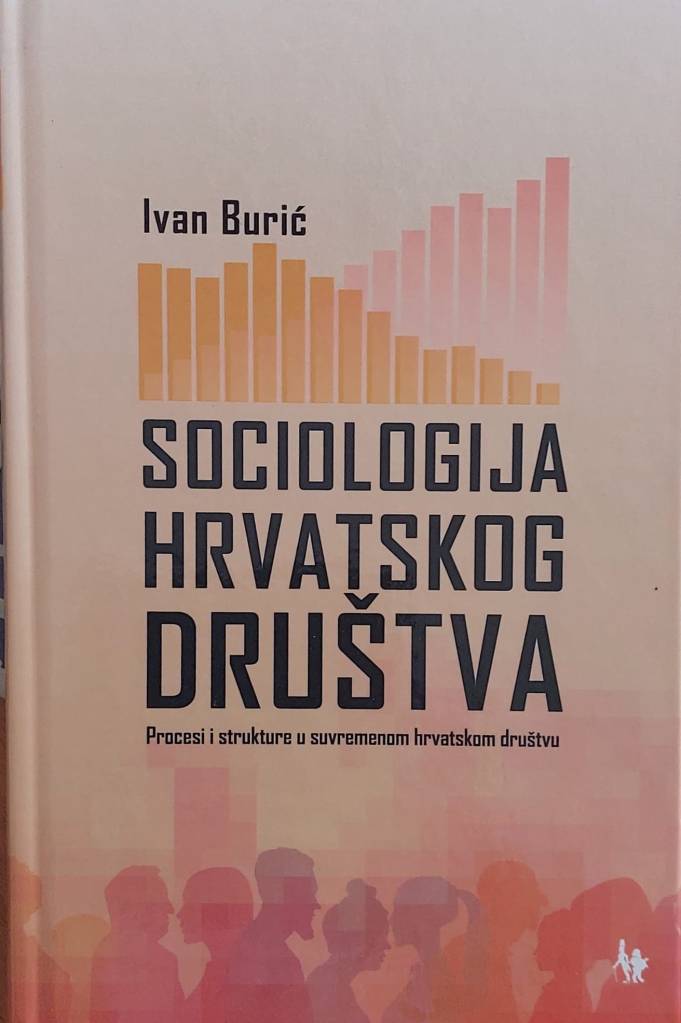
Today, in the Croatian media space, there are some truly wonderful and objective journalists promoting every inch of good and ethical journalism, but…
The problem in Croatian sports journalism today is not freedom of speech, but rather a lack of ethics. There is ample freedom, leading to a wide variety of content being labeled as sports journalism. However, the real issue lies in journalists interfering with coaching decisions, lacking objectivity, and practicing biased journalism aimed at shaping audiences’ opinions or favoring one athlete or interest group while harming others through unethical and deceptive journalism.
This behavior reflects old Yugoslav habits of distorting the truth and meddling, and it’s concerning that some journalists prioritize private biases, often profit-driven, over factual reporting. Some journalists have resorted to lying, defaming individuals, and making personal attacks, while protecting others for their own interests.
Perhaps the best example of this is the false accusations and incriminations towards Lino Červar during his time as a successful Croatian national team handball coach.
Zlatko Dalić is the most successful Croatian national team coach of all time. He has expressed concern about the pressure he is under and is trying to assert his integrity and autonomy regarding coaching the Croatian national team. In light of this, it’s easier to understand why he has become the target of the worst and most unethical kind of journalism in the last few weeks during Euro 2024.
DALIĆ talking about not alowing journalists and players managers to have influence on his team selection
During the European championships, some journalists started to speak negatively about Dalić, without any kind of professional sports analysis, and defamed him personally. Most of them ignored the fact that he is one of the main people responsible for the three greatest accomplishments in Croatian sports history, all within the last 6 years. No real professional analysis has been made, and the tournament is not yet finished. The worst attacks come from the following two journalists, who are speaking very unprofessionally and attacking the coach very unethically. Their articles and media appearances are as follows.
EXAMPLE NO1:
DALIĆ STRUGGLES WITH DEPRESSION
Diagnosis of Darko Hudelista (journalist) – unfortunately, the coach is under-capacitated to lead the national team.
“He is aware that he is transferring his sadness and melancholy to the team, but he can’t help himself”
Writes Darko Hudelist
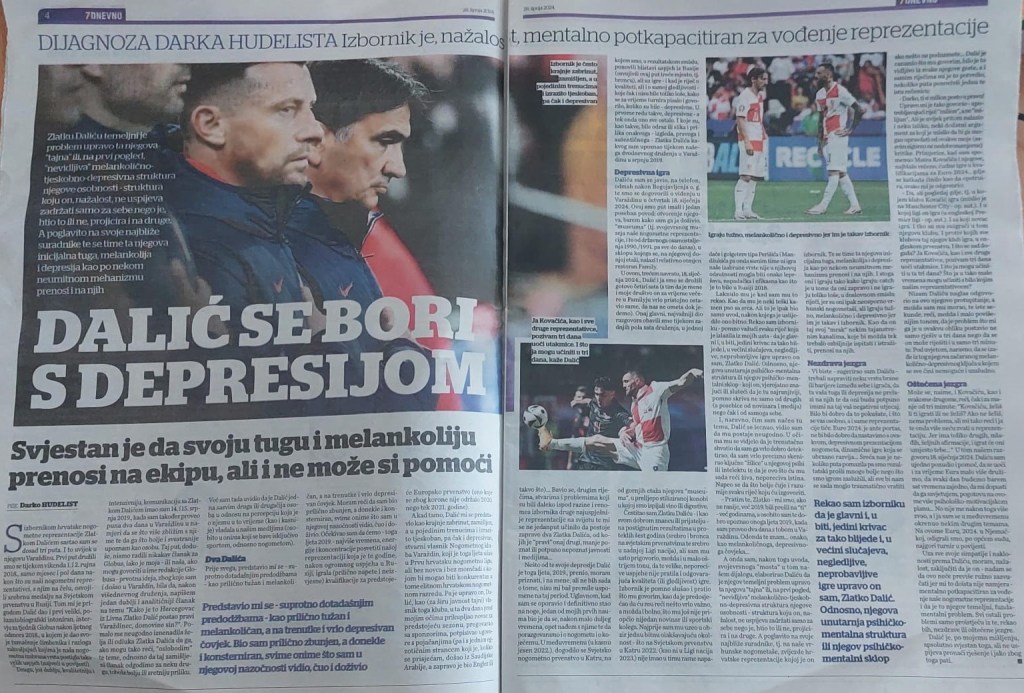
This is an example of how Croatian journalism has “evolved” in the last 30 years. The article is from a Croatian newspaper in the year 2024, more than 30 years after the dissolution of Yugoslavia. It’s about the most successful coach in Croatia in the last decade, perhaps in the entire modern history of Croatian sports. The article criticizes the Croatia national team coach in the worst possible manner.
The article is a clear attempt to tarnish the coach’s reputation. It demonstrates how a highly successful individual can become the target of a communist mindset that cannot tolerate someone who is independent, has integrity, and is autonomous in their decision-making regarding players and tactics. It’s an article that proves how Croatian journalism deals with someone who refuses to be influenced by any form of corrupt influence and pressure.
It is unacceptable to defame Zlatko Dalić and psychiatrists by diagnosing mental health conditions without proper education in the field. It is also not acceptable for a journalist to diagnose depression based on personal opinion. This is particularly worrying because over 10% of Croats struggle with depression, and this article implies that they are mentally incapable. It’s important to note that Croatia has one of the highest depression rates in Europe, and this condition shouldn’t be exploited to defame anyone. So even if a person has some personal health issues, they shouldn’t be discussed publicly in this manner. This is especially true if you are making things up as a journalist with intentions to defame a person.
EXAMPLE NO2:
Here is another example of unethical journalism. A Croatian journalist publicly lectured Dalić on what he should have done and what he should do in the future. The journalist acted as if he were a football expert with 30 years of field experience and had all the answers for improving Croatian football. It’s as if journalists will determine Croatian football strategy and rescue Croatian football. This kind of disrespectful journalism, speaking without any professional argument and devaluing the coach in front of his colleagues and the public, without any real authority to talk about the issue or even the capacity to do a professional analysis, is the worst kind of disrespect in sports journalism.
CONCLUSON
It’s not a matter of whether the critique should be pointed; it’s a question of how it should be done and who should do it. If a journalist doesn’t have knowledge or expertise in the field that he is criticizing, it says more about himself. Nevertheless, it’s unethical and unprofessional to engage in this kind of behavior. The question arises: how is it possible that this kind of biased and poor journalism gets a place in public media?
Could it be that there are some more obscure interests that these journalists are protecting, because they are directly defaming symbols of Croatian coaches and attacking coaches’ rights to make choices and, of course, responsibility for those choices? Some journalists even put themselves forward as key figures, almost like saviors of Croatian football, acting as if they are more important than the athletes and coaches. If it weren’t so tragic, it would be rather comical. More than ever, we can see how ex-Yugoslavian journalism is establishing itself in the most unethical manner.
 Diamond Football Tactics